

Purslane is Not a Weed??
Most of us rip purslane out of the flower bed and toss it. I used to do the same. Then I noticed two sturdy little plants pushing up through my front yard. I almost pulled them. Curiosity won. I wanted to know what is Purslane used for. I started reading… and my jaw dropped. This “weed” might be one of the most useful greens we are ignoring.
A Few Healing Herbs
So many women in our community are tired, inflamed, and trying to eat better on a budget. We want food that helps our bodies feel safe again… without a complicated plan. We want to learn simple skills like growing a few healing herbs, because the world feels shaky and we crave steadier rhythms.
I grew up on a self sustaining farm. Life was hard work, but simple. I miss those days. Now I live in the city with a small yard, and I am learning to bring that simplicity back… one little plant at a time. Purslane is helping me do that.
So, What is Purslane?
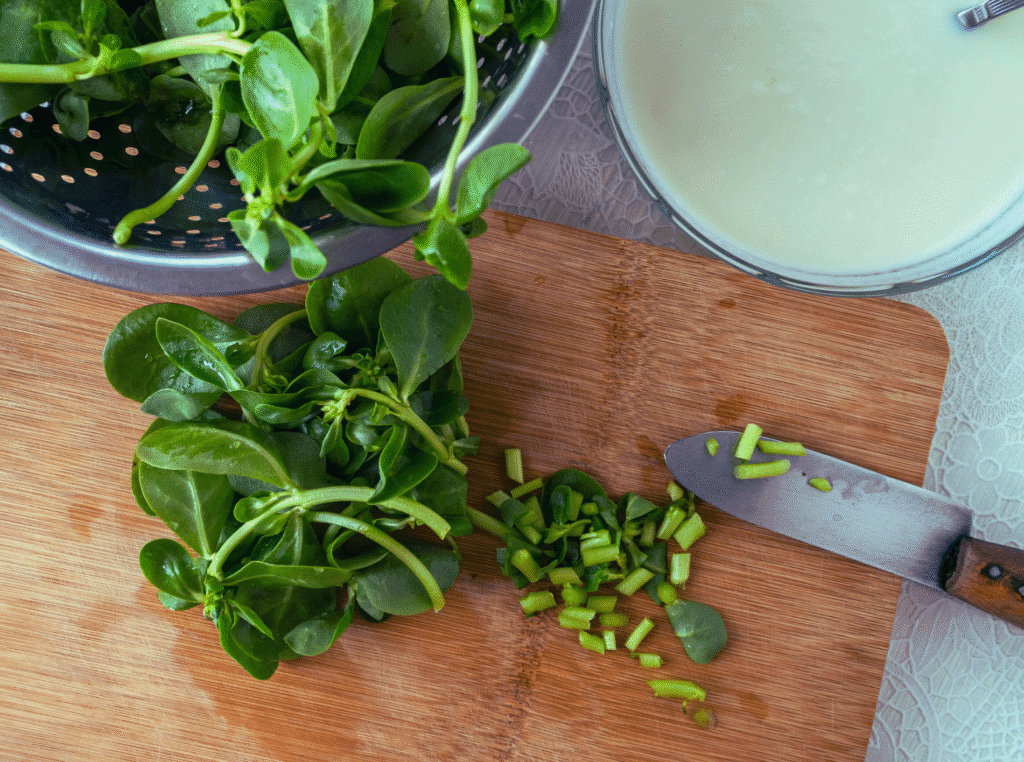
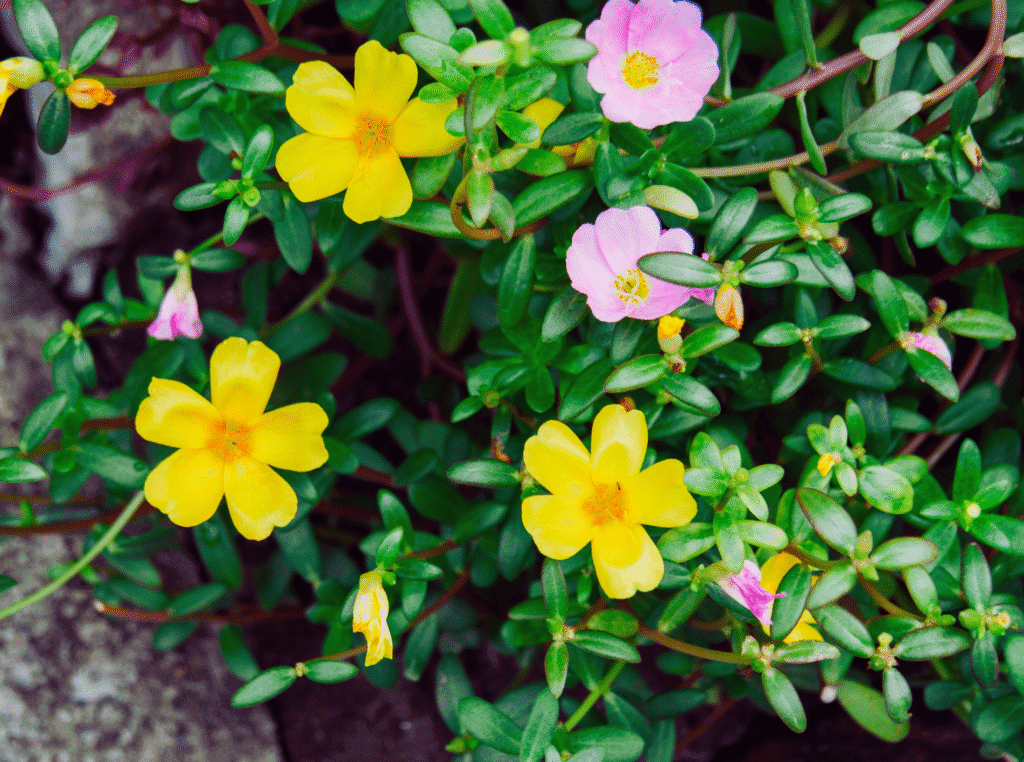
Purslane (Portulaca oleracea) is a succulent leafy green. It crawls along the soil with smooth reddish stems and tiny spoon-shaped leaves that are crisp and slightly lemony.
It is a fast-growing annual that many gardeners call a weed, yet it is a real vegetable eaten around the world.
Purslane Benefits: Why People Are Calling It a Superfood
- Plant-based omega-3s: Purslane is unusually rich in ALA, a plant omega-3 that supports heart and brain health. Among leafy greens, its ALA levels are some of the highest reported.
- Vitamins and antioxidants: It is packed with vitamins A and E and other beneficial compounds.
- Budget-friendly nutrition: For vegans or anyone who does not eat fish often, purslane is an affordable way to add omega-3s to everyday meals.
Dr. Axe also highlights purslane as a source of omega-3s and potential support for inflammation and heart health. I trust his work and found it encouraging.
Plain language: purslane is a crunchy, lemony salad green that quietly delivers the kind of fats and vitamins your body is begging for.
Safety Note for Pet Parents
Purslane can be toxic to cats and dogs due to soluble calcium oxalates. Keep pets away from fresh trimmings and garden beds, and call your vet or the ASPCA Poison Control if your pet eats it. Humans can eat purslane, but pets should not.
How to Identify It in Your Yard
Look for a low, mat-forming plant with smooth, juicy reddish stems and thick, oval leaves. It may hug the ground or stand a little taller depending on moisture. Tiny yellow flowers appear in warm weather. If you are not 100 percent sure of the ID, do not eat it.
How to Harvest and Eat It
- Pick young tips and tender stems.
- Rinse well to remove sand or soil.
- Eat raw in salads for a lemony crunch, or cook lightly in soups, sautés, or egg dishes.
- Try a purslane recipe: salads with tomatoes and feta, Moroccan-style greens, or a simple cucumber-avocado-purslane bowl are all delicious places to start.
How to Grow It on Purpose
- Where: Full sun, warm weather. It thrives in poor soil and heat.
- How: Scatter seed in late spring… barely cover… keep evenly moist until established.
- Care: Water when dry. It regrows after cutting. Clip what you need, often.
What is Purslane Used For: Beginner Pantry Ideas
- Toss a handful of chopped purslane into omelets, tuna or chickpea salad, tacos, or pasta salad for bright crunch.
- Stir into a pot of soup right before serving to keep the texture.
- Layer on avocado toast with olive oil, lemon, and a pinch of sea salt.
My Story… A Small Return to Simple
Standing in my front yard, I looked at those two little plants and felt a tug from childhood. On the farm, we learned to respect what the land gives. Food was medicine and community. I have been through seasons of loss and stress that left my body on edge. I am learning to listen again. Bare feet on the grass… a prayer on my lips… and now, a simple green on my plate that calms the noise inside. Purslane is my tiny homestead moment in the city… and it is helping me believe simple can still be powerful.
How to Start Today
- Find it: Check your garden beds or farmers market.
- Taste test: Add a small handful to tonight’s salad.
- Grow a patch: Save seed from a bundle you buy, or plant a packet in a pot by the porch.
- Keep pets safe: Fence or cover beds if cats or dogs roam.
FAQ for Brand-New Beginners
What is purslane used for?
It is a crisp, lemony green used in salads, soups, sautés, and pickles. It adds plant-based omega-3s, vitamins A and E, and bright flavor to everyday meals.
Can the whole plant be eaten?
Yes, people eat the leaves, young stems, flowers, and seeds after proper identification and rinsing.
Is it safe for pets?
No. Keep cats and dogs away from purslane because it contains soluble calcium oxalates.
Does it really grow in poor soil and heat?
Yes. Purslane thrives in hot, dry places and is easy to grow in pots or beds.
Tools I Actually Use
These are simple helpers if you want to explore herbalism for beginners at home and make nourishing meals without stress:
- A beginner seed kit with easy greens like purslane, basil, and parsley… perfect for small spaces.
- A sturdy tulsi pot or clay pot for balcony herbs.
- Herb scissors and a small salad spinner to rinse and chop quickly.
- A gentle intro book on herbs for health that covers healing herbs you can grow in containers.
Use what fits your budget. Start tiny and steady.
Related Topics You Might Enjoy
Hyssop benefits • parsley benefits • milk thistle benefits • basil benefits • rosemary plant • healing herbs • herbs for health • and my favorite… purslane recipe
You can plug any of these into a search to learn more.
(These are simple learn-more paths if you are building your kitchen apothecary and garden library.)
Final Thoughts
God often hides gifts in plain sight. Purslane shows up uninvited… and turns out to be exactly what our bodies needed.
If life feels heavy, start small.
One pot on the porch. One new green on your plate. One quiet step back toward the simple life you miss. You are not behind. You are beginning.
If this was helpful, I would love to hear what you try first. Salad… soup… tacos… or a tiny pot by the front steps.
Let’s keep it simple and take care of our bodies together.
Until next time…